Article
Article
From South Auckland to London: Mele at Breakin' Convention
From South Auckland to London: Mele at Breakin' Convention
From South Auckland to London: Mele at Breakin' Convention
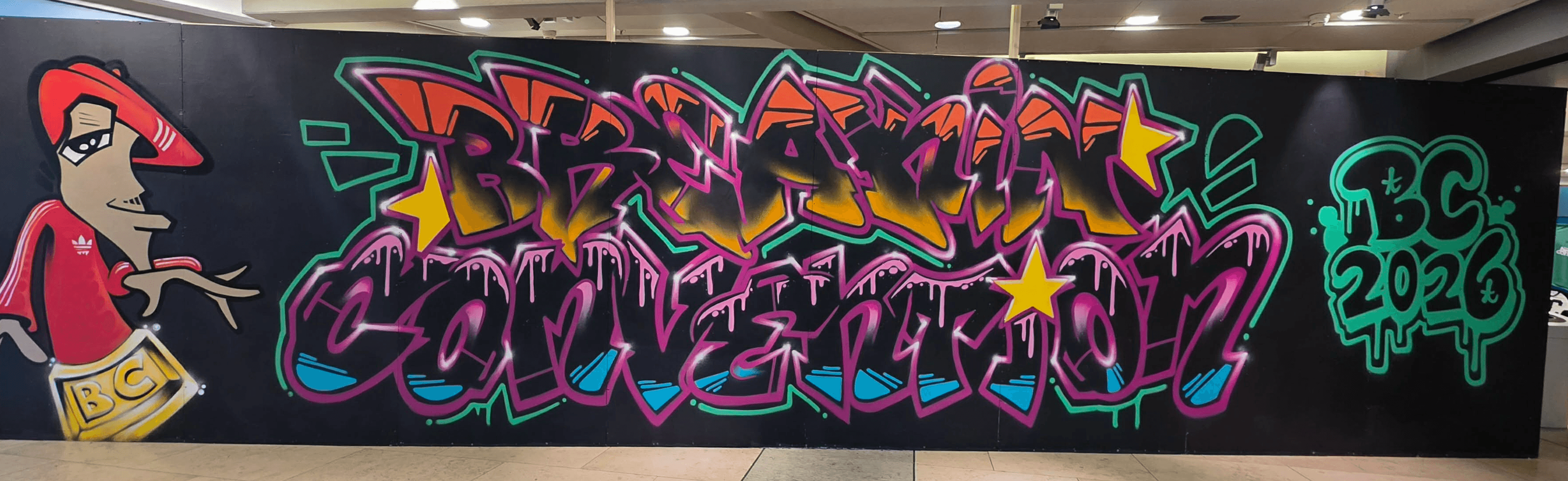
From 28 April to 5 May, Mele travelled to London to attend Breakin' Convention at Sadler's Wells Theatre for the first time. The trip was supported through a Professional Development grant from Creative New Zealand and focused on artistic development, research, networking, and exploring international approaches to Hip Hop dance theatre.
As producer and creative leader of Projekt Team, the opportunity aligned closely with many of the collective’s long term goals, including creating stronger pathways for street dancers, turning passion into profession, and building more opportunities for Hip Hop theatre work within Aotearoa.
Throughout the festival, Mele experienced a wide range of performances that highlighted the diversity and strength of Hip Hop dance theatre internationally. One standout was a performance by Gary Clarke and his team, who combined Hip Hop freestyle with live beat production performed in real time on stage. Mele was also inspired by Y.O.U Collective, whose choreography, lighting design, and soundscape worked seamlessly together to strengthen the storytelling and movement. French Locking company AS Compagnie also left a strong impression through their unique theatrical approach to Locking culture.
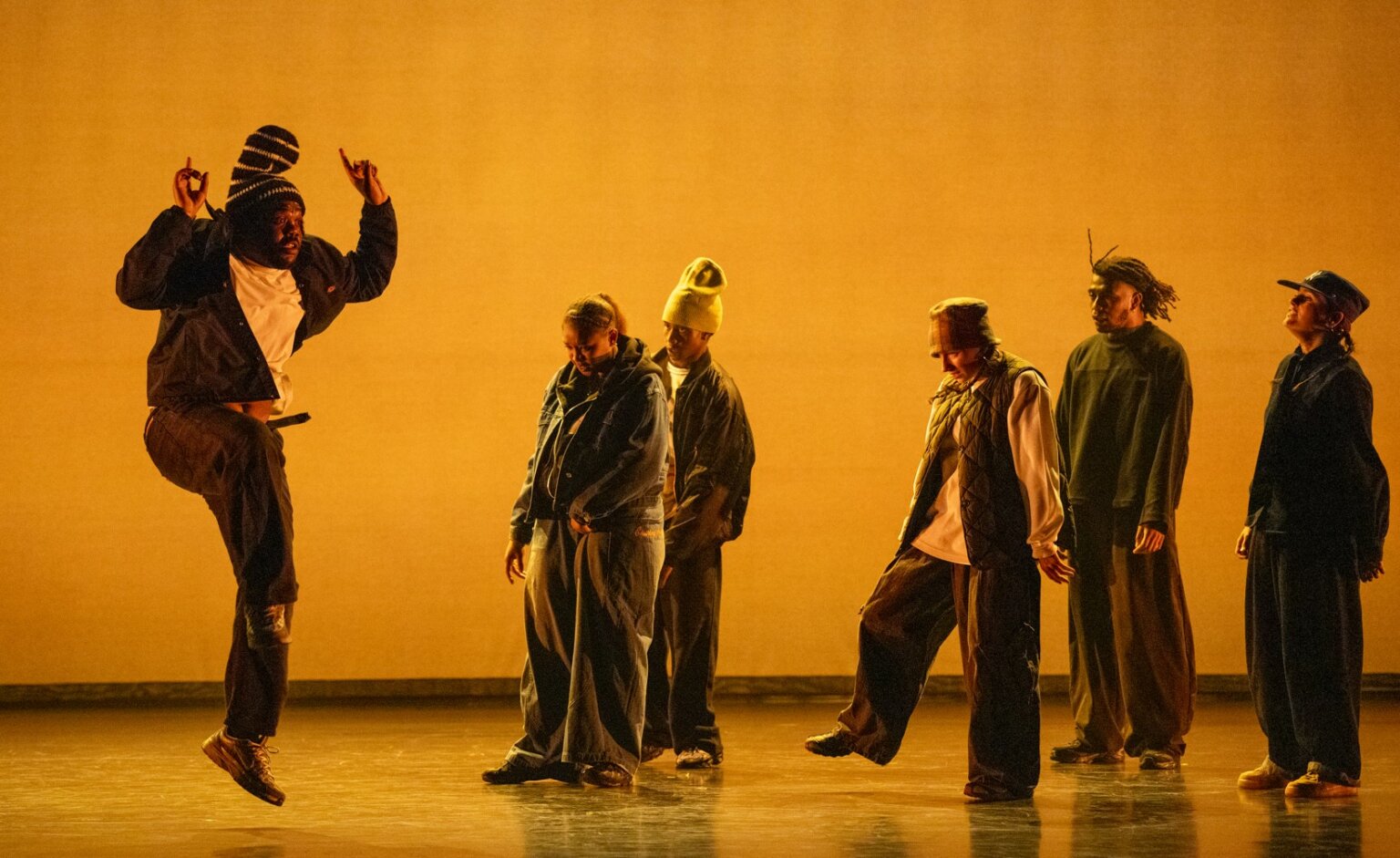
Gary-Clarke Photo Credit: Paul Hampartsoimian
One of the strongest takeaways from the festival was seeing artists deeply connected to freestyle and battle culture presenting work within theatre spaces while remaining authentic to their foundational styles. The range of performances demonstrated the many ways Hip Hop theatre can exist, from conceptual storytelling works to showcase style performances rooted in street dance culture.
Another major highlight was the level of audience engagement and institutional support for Hip Hop dance theatre in the United Kingdom. With audiences of over 1,000 people attending nightly performances, the festival demonstrated the strong demand that exists for Hip Hop and street dance works within mainstream theatre spaces. For Mele, it reinforced the potential for similar audience growth and support within Aotearoa when the artform is properly invested in.
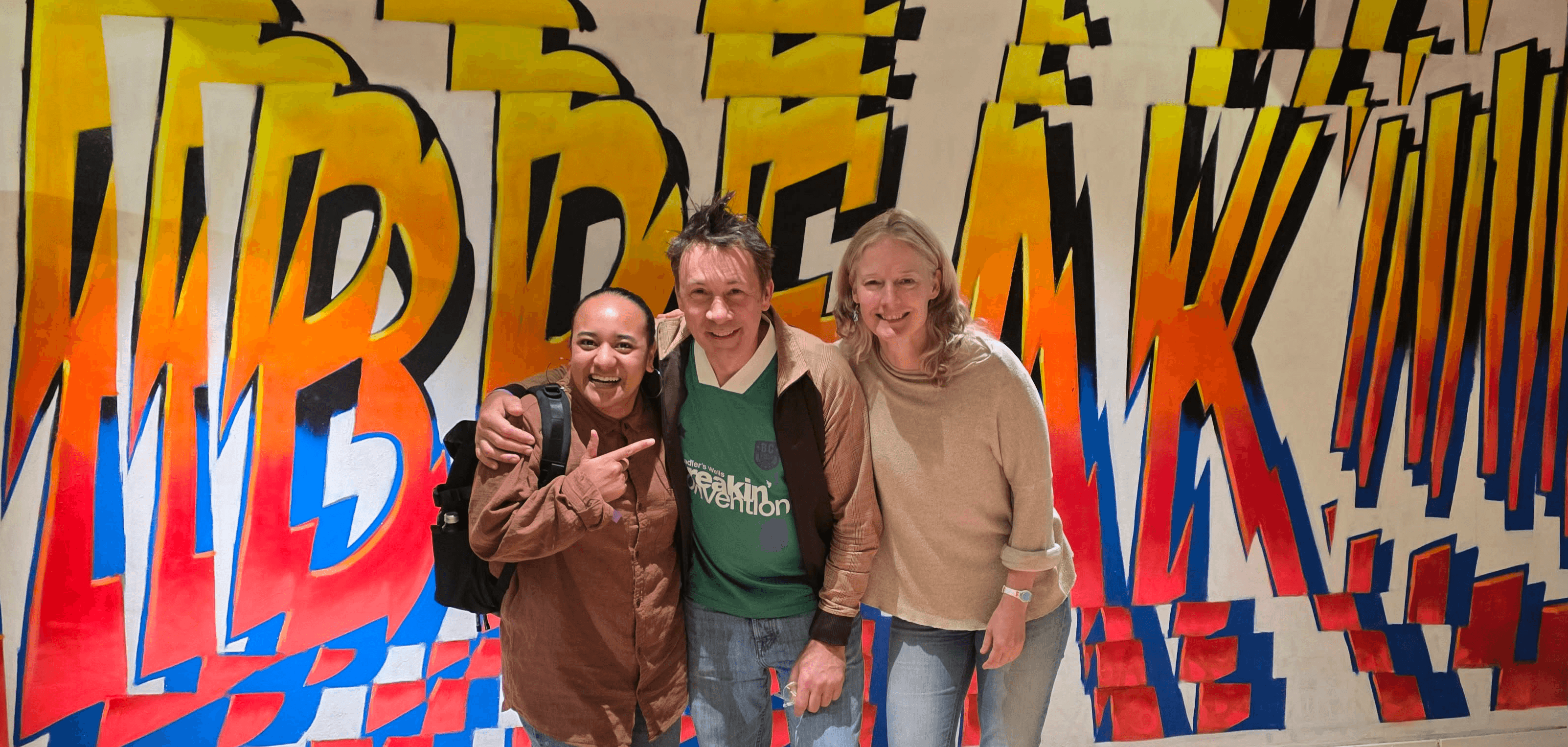
Outside of the performances, the trip also provided opportunities to reconnect and network with international artists, directors, and producers from Australia, the Netherlands, and the UK. Conversations around festivals, youth development, residencies, and touring models sparked new ideas around what could be possible for the future of Hip Hop theatre in New Zealand.
Representing Aotearoa and Pacific people within these international spaces was another meaningful aspect of the experience. Mele reflected on the importance of continuing to create opportunities for Pacific stories, artists, and communities to be seen and celebrated on global stages.
Returning home, the experience has further strengthened Projekt Team’s vision for the future. The trip reinforced the need for more Hip Hop theatre development opportunities in New Zealand, including festivals, residencies, and interdisciplinary collaborations that support street dancers and creatives working within the culture. Most importantly, it confirmed that the work Projekt Team continues to build is moving in a meaningful and internationally relevant direction.
From 28 April to 5 May, Mele travelled to London to attend Breakin' Convention at Sadler's Wells Theatre for the first time. The trip was supported through a Professional Development grant from Creative New Zealand and focused on artistic development, research, networking, and exploring international approaches to Hip Hop dance theatre.
As producer and creative leader of Projekt Team, the opportunity aligned closely with many of the collective’s long term goals, including creating stronger pathways for street dancers, turning passion into profession, and building more opportunities for Hip Hop theatre work within Aotearoa.
Throughout the festival, Mele experienced a wide range of performances that highlighted the diversity and strength of Hip Hop dance theatre internationally. One standout was a performance by Gary Clarke and his team, who combined Hip Hop freestyle with live beat production performed in real time on stage. Mele was also inspired by Y.O.U Collective, whose choreography, lighting design, and soundscape worked seamlessly together to strengthen the storytelling and movement. French Locking company AS Compagnie also left a strong impression through their unique theatrical approach to Locking culture.
Gary-Clarke Photo Credit: Paul Hampartsoimian
One of the strongest takeaways from the festival was seeing artists deeply connected to freestyle and battle culture presenting work within theatre spaces while remaining authentic to their foundational styles. The range of performances demonstrated the many ways Hip Hop theatre can exist, from conceptual storytelling works to showcase style performances rooted in street dance culture.
Another major highlight was the level of audience engagement and institutional support for Hip Hop dance theatre in the United Kingdom. With audiences of over 1,000 people attending nightly performances, the festival demonstrated the strong demand that exists for Hip Hop and street dance works within mainstream theatre spaces. For Mele, it reinforced the potential for similar audience growth and support within Aotearoa when the artform is properly invested in.
Outside of the performances, the trip also provided opportunities to reconnect and network with international artists, directors, and producers from Australia, the Netherlands, and the UK. Conversations around festivals, youth development, residencies, and touring models sparked new ideas around what could be possible for the future of Hip Hop theatre in New Zealand.
Representing Aotearoa and Pacific people within these international spaces was another meaningful aspect of the experience. Mele reflected on the importance of continuing to create opportunities for Pacific stories, artists, and communities to be seen and celebrated on global stages.
Returning home, the experience has further strengthened Projekt Team’s vision for the future. The trip reinforced the need for more Hip Hop theatre development opportunities in New Zealand, including festivals, residencies, and interdisciplinary collaborations that support street dancers and creatives working within the culture. Most importantly, it confirmed that the work Projekt Team continues to build is moving in a meaningful and internationally relevant direction.
From 28 April to 5 May, Mele travelled to London to attend Breakin' Convention at Sadler's Wells Theatre for the first time. The trip was supported through a Professional Development grant from Creative New Zealand and focused on artistic development, research, networking, and exploring international approaches to Hip Hop dance theatre.
As producer and creative leader of Projekt Team, the opportunity aligned closely with many of the collective’s long term goals, including creating stronger pathways for street dancers, turning passion into profession, and building more opportunities for Hip Hop theatre work within Aotearoa.
Throughout the festival, Mele experienced a wide range of performances that highlighted the diversity and strength of Hip Hop dance theatre internationally. One standout was a performance by Gary Clarke and his team, who combined Hip Hop freestyle with live beat production performed in real time on stage. Mele was also inspired by Y.O.U Collective, whose choreography, lighting design, and soundscape worked seamlessly together to strengthen the storytelling and movement. French Locking company AS Compagnie also left a strong impression through their unique theatrical approach to Locking culture.
Gary-Clarke Photo Credit: Paul Hampartsoimian
One of the strongest takeaways from the festival was seeing artists deeply connected to freestyle and battle culture presenting work within theatre spaces while remaining authentic to their foundational styles. The range of performances demonstrated the many ways Hip Hop theatre can exist, from conceptual storytelling works to showcase style performances rooted in street dance culture.
Another major highlight was the level of audience engagement and institutional support for Hip Hop dance theatre in the United Kingdom. With audiences of over 1,000 people attending nightly performances, the festival demonstrated the strong demand that exists for Hip Hop and street dance works within mainstream theatre spaces. For Mele, it reinforced the potential for similar audience growth and support within Aotearoa when the artform is properly invested in.
Outside of the performances, the trip also provided opportunities to reconnect and network with international artists, directors, and producers from Australia, the Netherlands, and the UK. Conversations around festivals, youth development, residencies, and touring models sparked new ideas around what could be possible for the future of Hip Hop theatre in New Zealand.
Representing Aotearoa and Pacific people within these international spaces was another meaningful aspect of the experience. Mele reflected on the importance of continuing to create opportunities for Pacific stories, artists, and communities to be seen and celebrated on global stages.
Returning home, the experience has further strengthened Projekt Team’s vision for the future. The trip reinforced the need for more Hip Hop theatre development opportunities in New Zealand, including festivals, residencies, and interdisciplinary collaborations that support street dancers and creatives working within the culture. Most importantly, it confirmed that the work Projekt Team continues to build is moving in a meaningful and internationally relevant direction.
Projekt Team

Review
Sep 8, 2026
BEATDOWN: A Mum's Take
Read article
Review
Sep 8, 2026
BEATDOWN: A Mum's Take
Read article
Review
Sep 8, 2026
BEATDOWN: A Mum's Take
Read article

Review
Jul 26, 2026
Honest thoughts on An Honest Conversation
Read article
Review
Jul 26, 2026
Honest thoughts on An Honest Conversation
Read article
Review
Jul 26, 2026
Honest thoughts on An Honest Conversation
Read article
Review
Jul 2, 2026
WOOF x3: What The Dawgpound, Vol. III Revealed About the Scene
Read article
Review
Jul 2, 2026
WOOF x3: What The Dawgpound, Vol. III Revealed About the Scene
Read article
Review
Jul 2, 2026
WOOF x3: What The Dawgpound, Vol. III Revealed About the Scene
Read article